
Few names in sportswear carry the same instant recognition as Nike. The brand shows up on starting lines, in weight rooms, on commuter trains, and on weekend trails. That range is exactly why shopping the label can feel overwhelming at first. The good news is that once you understand how Nike organizes its gear by activity, choosing the right piece becomes far simpler.
This guide walks through the main categories, what to consider before you buy, and how to get more life out of what you own.
Why Nike Keeps Showing Up in Everyday Routines
Nike built its reputation on footwear, and that foundation still shapes how most people encounter the brand. Running shoes, training shoes, and casual sneakers make up the bulk of what shoppers look for, with apparel and accessories rounding out the lineup.
What makes the brand practical for a wide audience is breadth. A single label can cover a marathon training block, a gym membership, a school run, and a weekend hike, which means fewer decisions about where to shop and more consistency in fit and sizing across a wardrobe.
Reading the Nike Lineup by Activity
The fastest way to narrow your options is to start with what you actually do, not with what looks best on a shelf. Nike groups much of its product range around specific activities, and shopping within the right lane saves time.
Running and Road Work
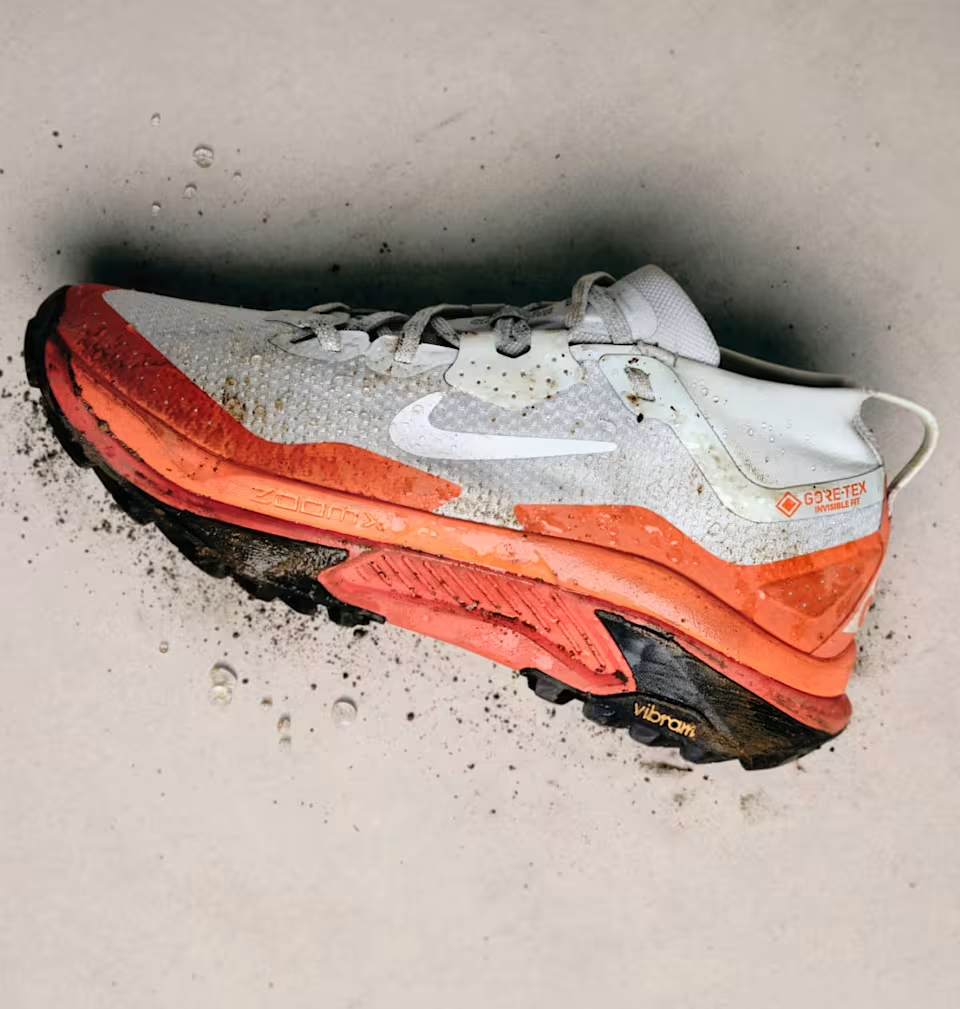
Running footwear is where the brand’s engineering focus is most visible. Look for models described as neutral or supportive depending on your stride, and pay attention to cushioning language: some shoes are built for soft, plush landings, while others prioritize a firmer, more responsive feel underfoot.
Apparel in this category tends to favor lightweight, moisture-managing fabrics. Breathable mesh panels and sweat-wicking knits matter more than style details once you are several kilometres into a run.
Gym, Studio, and Cross Training
Training shoes are designed for lateral movement, quick direction changes, and lifting. A flatter, more stable platform generally works better for strength work, while a slightly cushioned option suits circuit training and studio classes.
For apparel, look for stretch fabrics that move with you and flat seams that reduce chafing during repeated movements.
Everyday Wear and Lifestyle
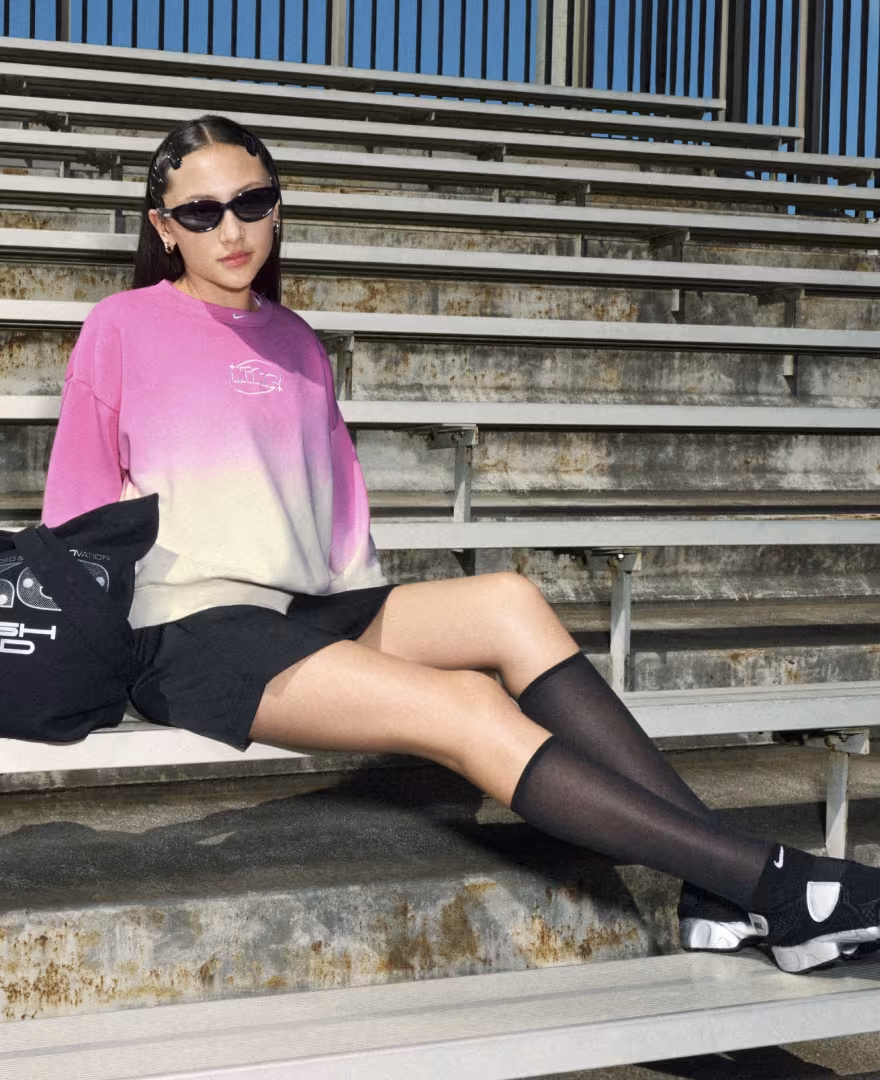
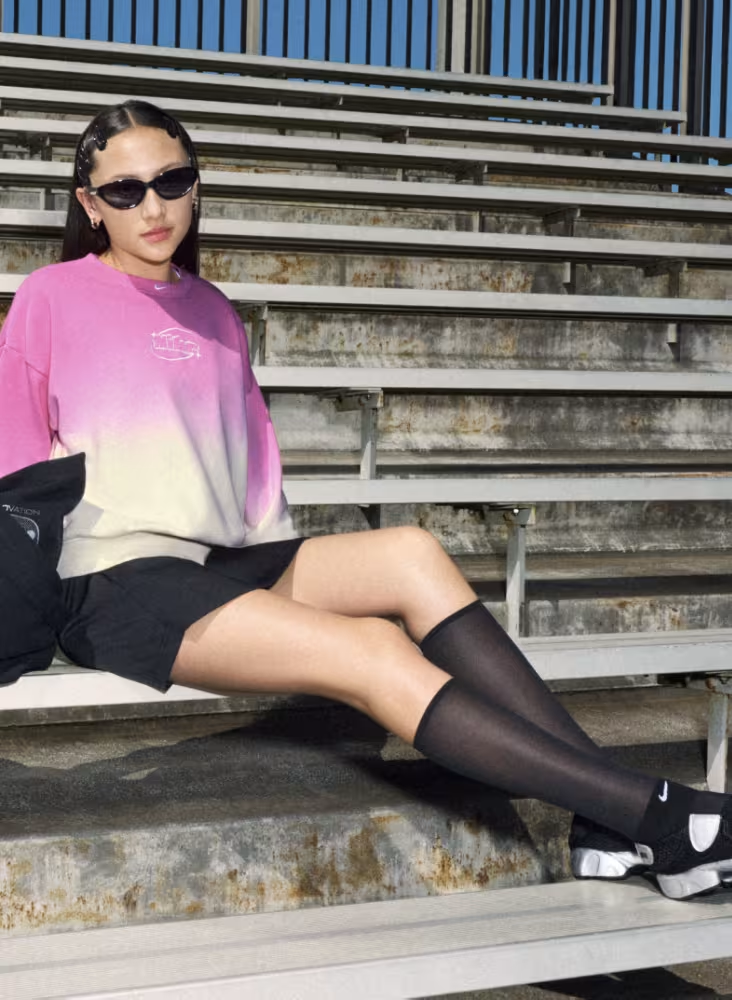
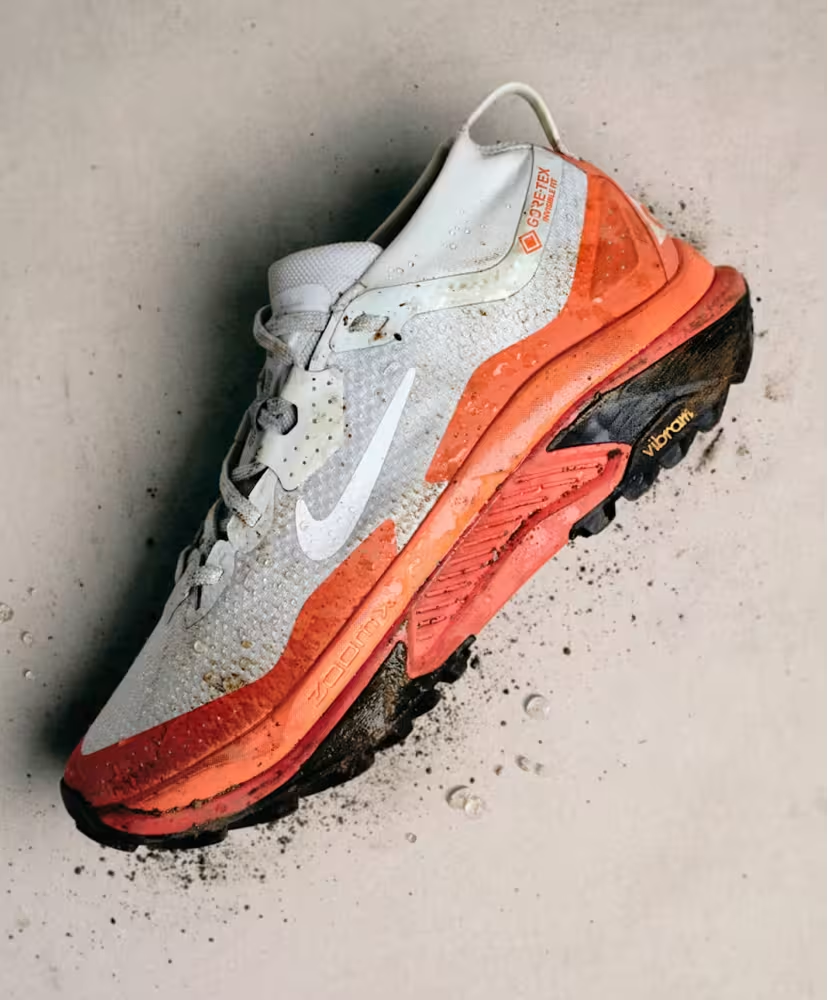
Nike’s lifestyle range blends sportswear silhouettes with casual comfort. This is the category for sneakers you wear with jeans, hoodies for cool evenings, and relaxed joggers that work as well on a coffee run as they do on a rest day.
Durability here comes down to materials. Leather and suede uppers hold their shape well, while knit uppers are lighter and more breathable but show wear sooner in high-friction areas.
Outdoor and Weather-Ready Layers
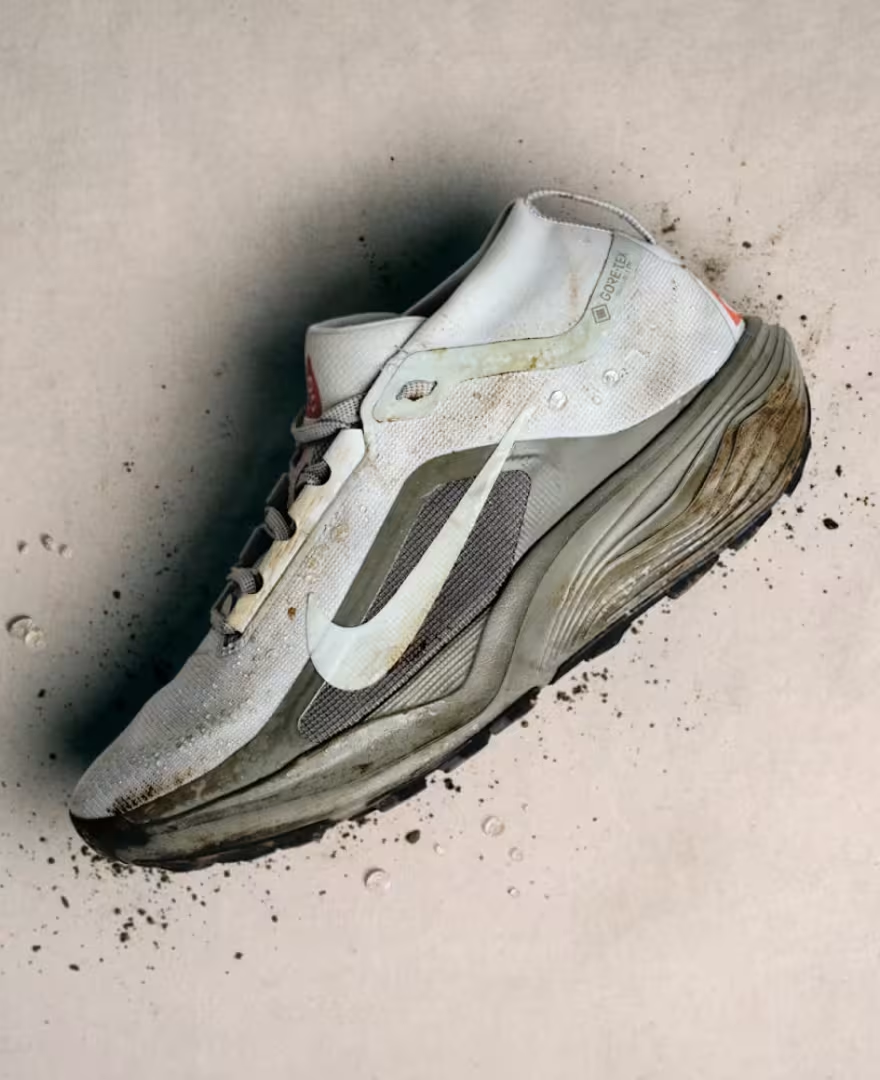
For cooler conditions, look for water-resistant shells, fleece mid-layers, and tights or trousers with a bit of thermal protection. Layering is the key idea: a moisture-wicking base, an insulating middle, and a protective outer layer gives you flexibility as conditions change.
Fit, Sizing, and Materials Matter More Than Hype
Sizing varies between product lines, so treating every purchase as identical to the last one is a common mistake. A running shoe may fit differently from a lifestyle sneaker, and a compression top will feel tighter than a relaxed training tee.
When you can, try before you buy or check the brand’s own sizing guidance for that specific model. If you are ordering online, measuring your foot at the end of the day, when feet are at their largest, tends to produce a more accurate result.
Materials also tell you a lot. Mesh and knit uppers breathe well. Synthetic overlays add structure. Rubber outsoles with a defined tread pattern grip better on varied surfaces. Reading those details helps you predict how a shoe or garment will perform before it arrives.
What to Check Before You Buy
- Intended activity: Match the product to how you will actually use it, not how you hope to use it.
- Cushioning and support level: Neutral, stability, or maximal cushioning each suit different needs.
- Upper construction: Knit for breathability, leather or suede for durability and structure.
- Outsole tread: Smooth for pavement, more aggressive patterns for trails and mixed terrain.
- Fit across the toe box: Room to splay matters, especially on longer efforts.
- Seasonality: Breathable for summer, layered and weather-resistant for colder months.
- Care requirements: Some materials need spot cleaning rather than machine washing.
Getting More Life Out of Your Nike Gear
- Rotate between two pairs of shoes if you run regularly, so cushioning has time to recover between sessions.
- Air shoes out after use instead of leaving them in a closed bag or a hot car.
- Wash technical apparel in cold water and skip the dryer, which breaks down stretch fibres.
- Use a soft brush and mild soap for uppers, then let them dry away from direct heat.
- Retire running shoes once the midsole feels flat or the tread wears unevenly.
Where to Shop Nike
If you already know which activity you are shopping for, the next step is simply choosing a trusted place to buy. You can browse the current Nike range and check availability through this curated Nike shopping link, which is a straightforward way to move from research to purchase.
Before checking out, confirm the size chart for the exact model, review the return window, and double-check that the product matches your activity rather than just your aesthetic preferences.
Final Thoughts
Nike’s strength is range. Whether you need a daily trainer, a pair of gym shoes, or a hoodie that survives a hundred washes, the brand offers a lane for it. Start with your activity, pay attention to fit and materials, and treat durability as a feature rather than an afterthought. Do that, and your gear will keep up with your routine instead of holding it back.