

The best sports equipment earns its place in your routine by meeting a real need. Ankle support is no exception: the right purchase should suit your activity, work with your footwear, and feel manageable enough to use consistently.
For shoppers exploring this category, Betterguards is a brand worth considering. The most useful way to approach its ankle-support options is to look beyond broad promises and focus on what matters to you: appropriate sizing, practical compatibility, and a clear understanding of the product you are ordering.
This guide explains how to evaluate those details and make a confident purchase. It is a buying guide, not a hands-on product review or a claim that any brace can prevent an injury.
Why Betterguards Belongs on Your Ankle-Support Shortlist
A considered ankle-support purchase starts with a focused question: what do you want the equipment to help you do? You might be looking for support during a particular sport, replacing equipment that does not fit comfortably, or following guidance from a qualified healthcare professional.
Betterguards offers a relevant starting point for that search. Rather than choosing a brace purely because it looks substantial or appears in an advertisement, use the brand’s product information to assess whether the available option matches your needs.
The strongest reason to buy is a good match between the product, your activity, and your fit requirements. That is a more useful standard than assuming that the most expensive, least bulky, or most restrictive option must be the best.
When you explore Betterguards ankle support, approach the purchase with a short checklist. Confirm the intended use, review the sizing instructions, consider your shoes, and read the current purchase terms. Those steps can turn an appealing product into a well-informed decision.
Start With Your Activity and Your Reason for Buying
Describe the situations in which you need support
Different activities place different demands on equipment. A court session involving changes of direction is not the same as a gym workout or a long walk. Your footwear, the duration of the activity, and how frequently you plan to use the support also matter.
Write down your primary use before comparing products. Be specific: the activity, the shoes you wear, and whether you expect to use the support occasionally or as part of a regular routine. Then check whether the Betterguards product information addresses that use.
Separate equipment preferences from medical needs
Shopping for support during activity is different from managing a recent injury, recurring instability, or unexplained pain. If your ankle is injured or symptoms persist, seek advice from a qualified healthcare professional before selecting equipment or returning to sport.
A brace should not be treated as permission to ignore pain or accelerate recovery. If a clinician recommends a particular type of support, use that recommendation to guide your purchase rather than assuming that all ankle braces are interchangeable.
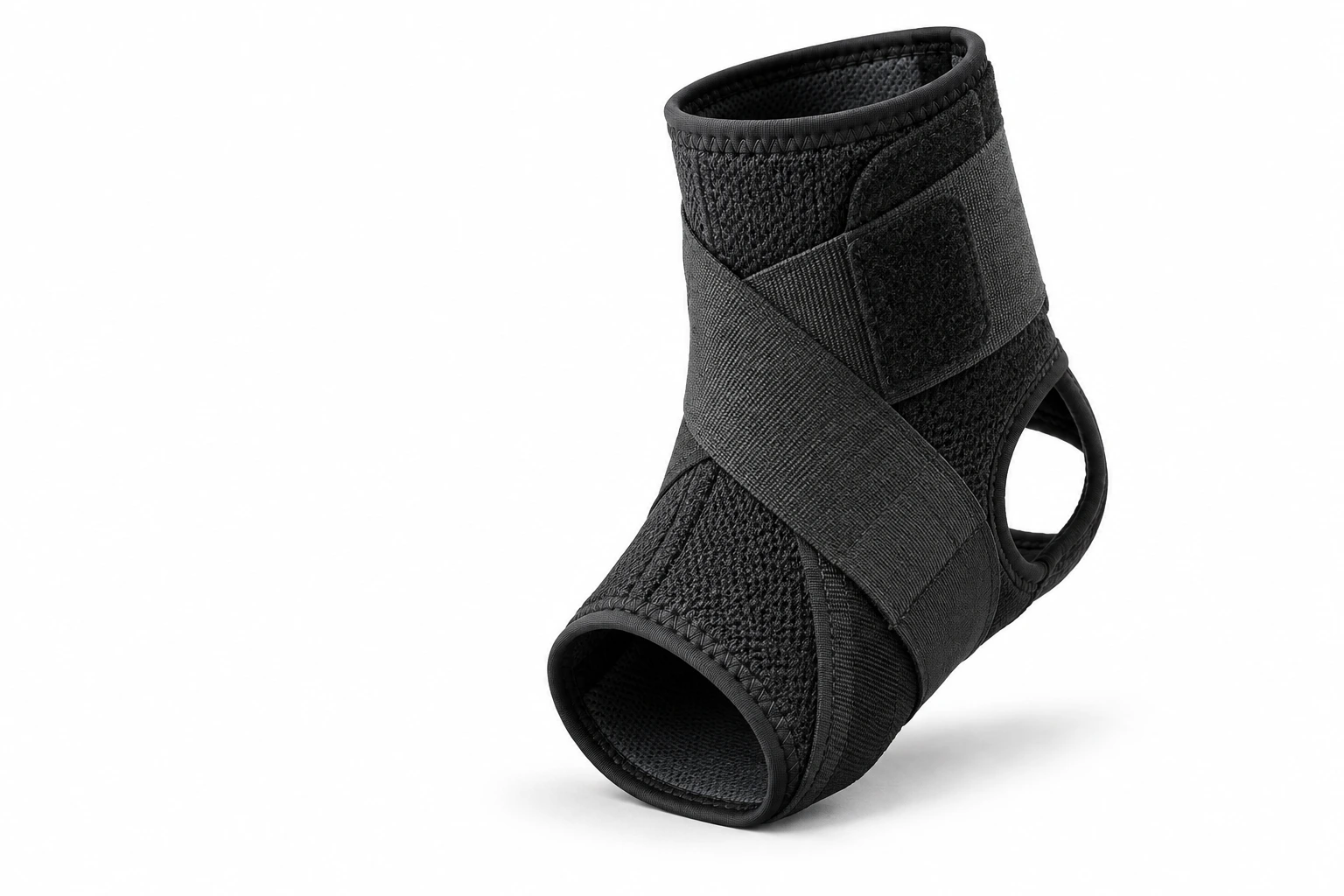
Make Fit the Center of Your Decision
Fit deserves more attention than appearance. A product that is poorly matched to your measurements may feel uncomfortable, move out of position, or interfere with your shoes. Even an appealing design is not the right purchase if the sizing does not work for you.
Follow the current Betterguards sizing instructions for the exact product you intend to buy. Do not substitute your usual clothing size or assume that another brand’s brace size will translate directly.
- Check the required measurements: Use the measurements specified in the product’s sizing guidance rather than guessing.
- Measure carefully: Repeat the measurement if the result is unclear, and avoid pulling the measuring tape tighter than instructed.
- Resolve borderline sizing: If you fall between sizes, look for the brand’s recommendation or ask for clarification before ordering.
- Confirm the configuration: Check any side-specific selection and whether the listing includes an individual support or a pair.
Do not assume that tighter means more supportive. Follow the fitting instructions, and stop using the product if you experience numbness, tingling, discoloration, or increasing pain. Seek professional advice if symptoms persist.
Think About the Brace and Your Shoes Together
An ankle support does not operate in isolation. It shares space with your foot, sock, and shoe, making footwear compatibility an important part of the buying decision.
Consider the shoes you actually use for your chosen activity. A close-fitting shoe may leave less room for additional equipment than a roomier design. The shape of the shoe opening and the way it fastens can also affect how the combination feels.
Before purchasing, review any compatibility guidance supplied by Betterguards. Avoid assuming that an ankle support will fit comfortably inside every shoe simply because the brace size is correct.
Check the complete setup before demanding activity
Once the product arrives, follow its instructions and assess the fit with your intended socks and shoes. Begin with a careful fit check rather than making a demanding training session your first opportunity to discover a problem.
Notice whether your heel feels crowded, whether the shoe creates new pressure points, and whether the support remains correctly positioned. Follow the seller’s return conditions during any permitted fitting assessment, especially if those conditions limit outdoor use or require the packaging to remain intact.
Evaluate Comfort Without Confusing It With Looseness
Comfort is practical, not superficial. Equipment that is awkward to put on or unpleasant to wear can be difficult to incorporate into a routine. At the same time, a loose fit is not necessarily an appropriate fit.
Use the product instructions to understand how the support should sit and how any fastening or adjustment should be handled. Do not improvise modifications or alter the product to make it fit.
As you review a Betterguards option, look for information that answers these questions:
- How is the product put on and removed?
- What guidance explains correct positioning?
- Are there instructions about socks or direct skin contact?
- What materials and care requirements are listed?
- Are there limitations or warnings relevant to your intended activity?
These details are more useful than vague descriptions such as “maximum comfort.” Where the information is unclear, asking a specific question before checkout is a sensible step.
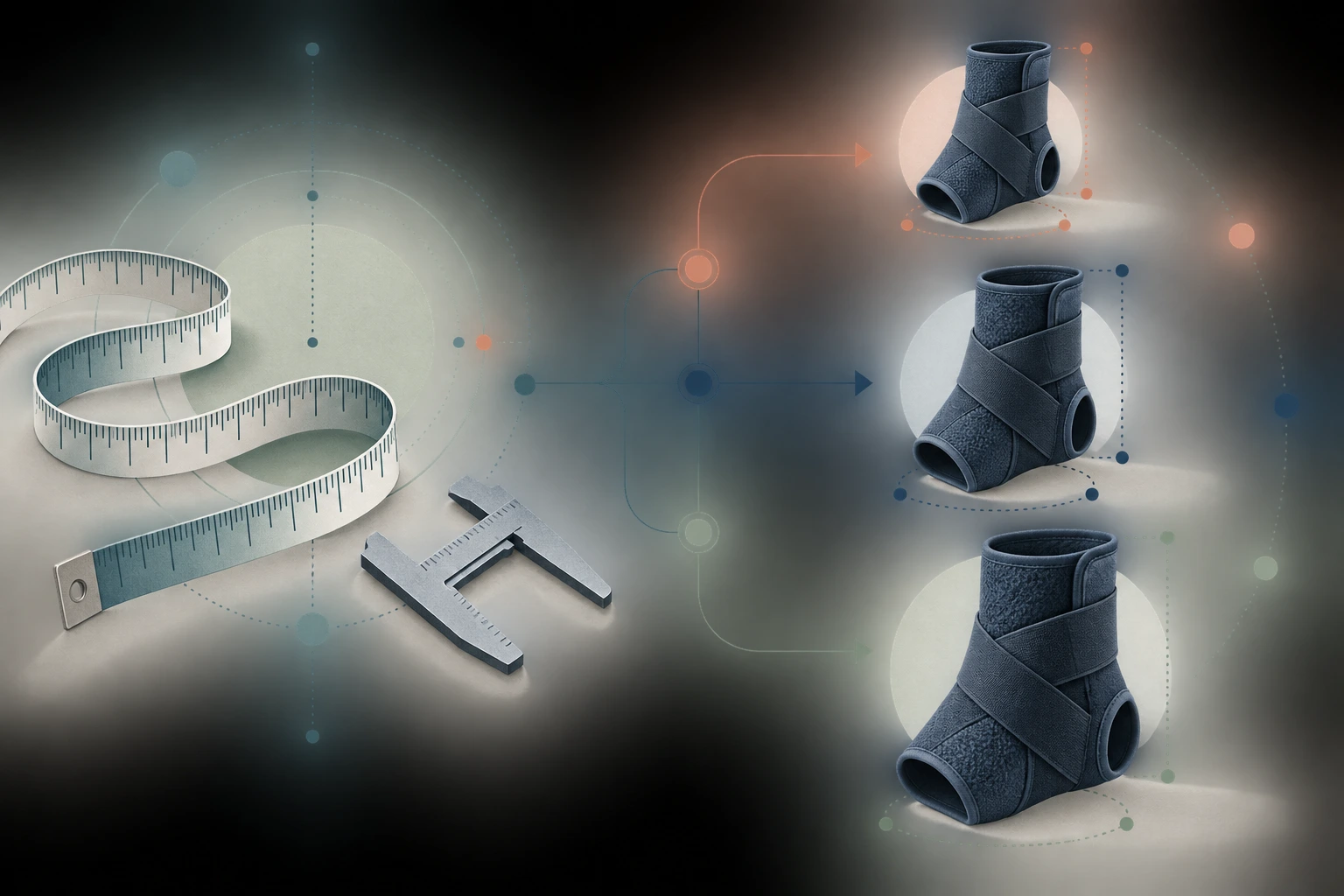
Understand What Product Claims Actually Mean
Ankle-support terminology can sound impressive without making comparisons easy. Words such as support, stability, flexibility, and protection need context. Read the full explanation of a claim rather than treating a short headline as the complete picture.
If a product description refers to testing, performance, or a particular mechanism, look for the accompanying explanation and its limits. Do not interpret a feature description as a guarantee that you will avoid injury or achieve a particular athletic result.
A sensible purchase combines clear product information with realistic expectations. Support equipment can be one part of an activity routine, but it does not replace appropriate training, recovery, or medical assessment when needed.
Check Value Beyond the Checkout Price
Value depends on whether the product meets your requirements and whether the overall purchase makes sense. A lower price is not automatically better if the size is wrong, the configuration is unsuitable, or the return terms do not work for you.
Before you shop Betterguards, check the current listing and checkout information for:
- Package contents: Confirm exactly what is included.
- Total cost: Review applicable shipping charges and taxes before payment.
- Delivery information: Check whether the expected timing suits your plans.
- Returns and exchanges: Understand deadlines, condition requirements, and any associated costs.
- Care instructions: Consider how cleaning and drying will fit into your routine.
- Warranty terms, if offered: Read the stated coverage and exclusions rather than assuming them.
Prices, availability, and policies can change. Use the current information shown by the brand when making your decision.
Who Should Take a Closer Look at Betterguards?
Betterguards is worth a closer look for shoppers who want to make a deliberate ankle-support purchase rather than choosing on appearance alone. It is particularly useful to arrive with a defined activity, accurate measurements, and a clear idea of the footwear you plan to use.
Proceed when the available product information supports your intended use and you can confirm the right fit. Pause when important details remain unanswered, or when a medical concern requires professional guidance first.
This approach is not about making the buying process complicated. It is about directing your attention to the few details that have the greatest practical importance.
Buy Betterguards With a Clear Plan
A confident purchase comes down to a straightforward sequence: identify your needs, follow the sizing guidance, check footwear compatibility, and understand the order terms. That gives you a much stronger foundation than buying on a broad promise.
If the available option matches your requirements, visit Betterguards, choose the appropriate size, and place your order. Taking a little care before checkout can help you select ankle support that makes sense for your activity and your routine.