

Easy isn’t always the answer when it comes to cooking. Here are a few kitchen crutches you might be leaning on.
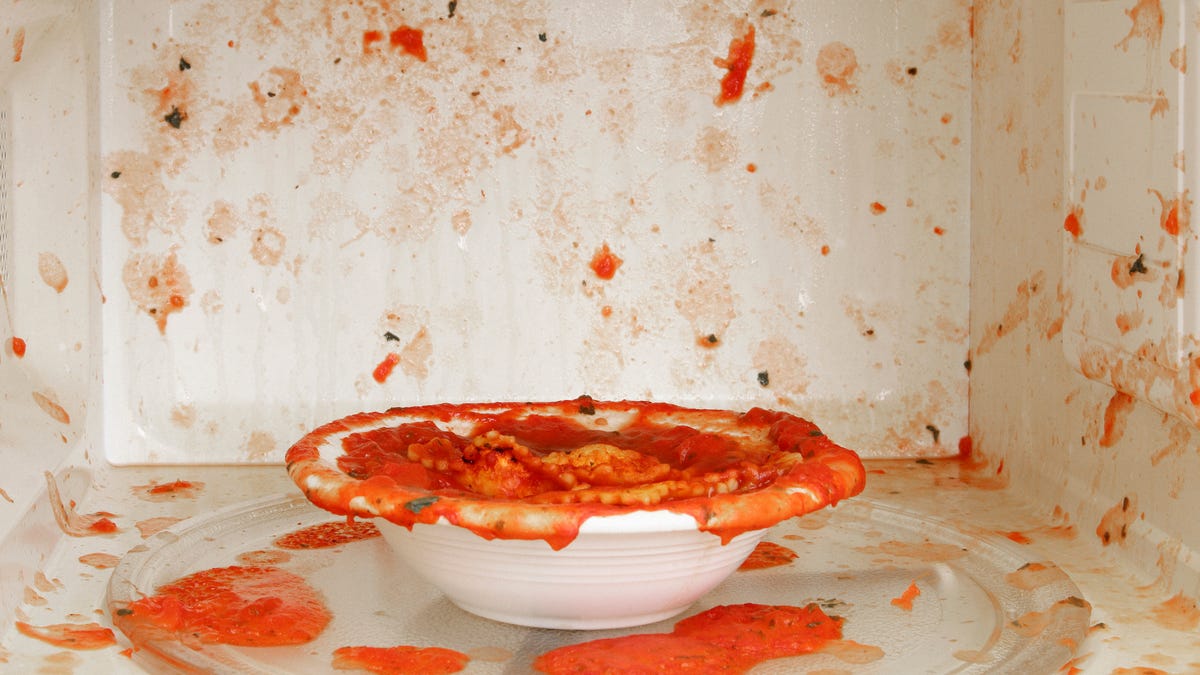
We love hacks, but not all cooking shortcuts are created equally.
We love kitchen hacks, but only when they net results as good as the traditional method. Be it a surprising way to check steak for doneness without a thermometer or quickly blasting a whole chicken to crispy perfection in the air fryer, there are shortcuts well worth learning, while others simply don’t stack up.
So, when does a potentially clever hack or safe-bet kitchen tool spill over into a crutch?
Suppose you’re automatically reaching for the same tools, equipment or resources whenever you’re in the kitchen or grocery store, without considering whether there’s a better way to accomplish your desired outcome. In that case, you may have a kitchen crutch.
As a culinary school grad and professional food writer, I’ve identified four of the biggest kitchen shortcuts that aren’t worth their salt.
Using a nonstick pan for everything

I admit that as a home cook, I reach for the Caraway or Calphalon much more often than I do my stainless steel or cast iron pans. I must ask myself, though, am I doing this because a nonstick pan is the best tool for the job? As a culinary school graduate, I’m forced to admit that we were only permitted nonstick pans while learning to be chefs when we practiced egg cookery.
So when you’re preparing scrambled eggs or an omelet or want to cook sunny-side up or over-easy without a puddle of oil, by all means, the nonstick is king. However, when caramelization is the goal, you may want to reconsider making the nonstick pan your default. Whether for a satisfying crust on a steak or a melted mass of caramelized onions, you may save a little time for clean up with a nonstick pan, but you’re not achieving comparable results.
What to use instead
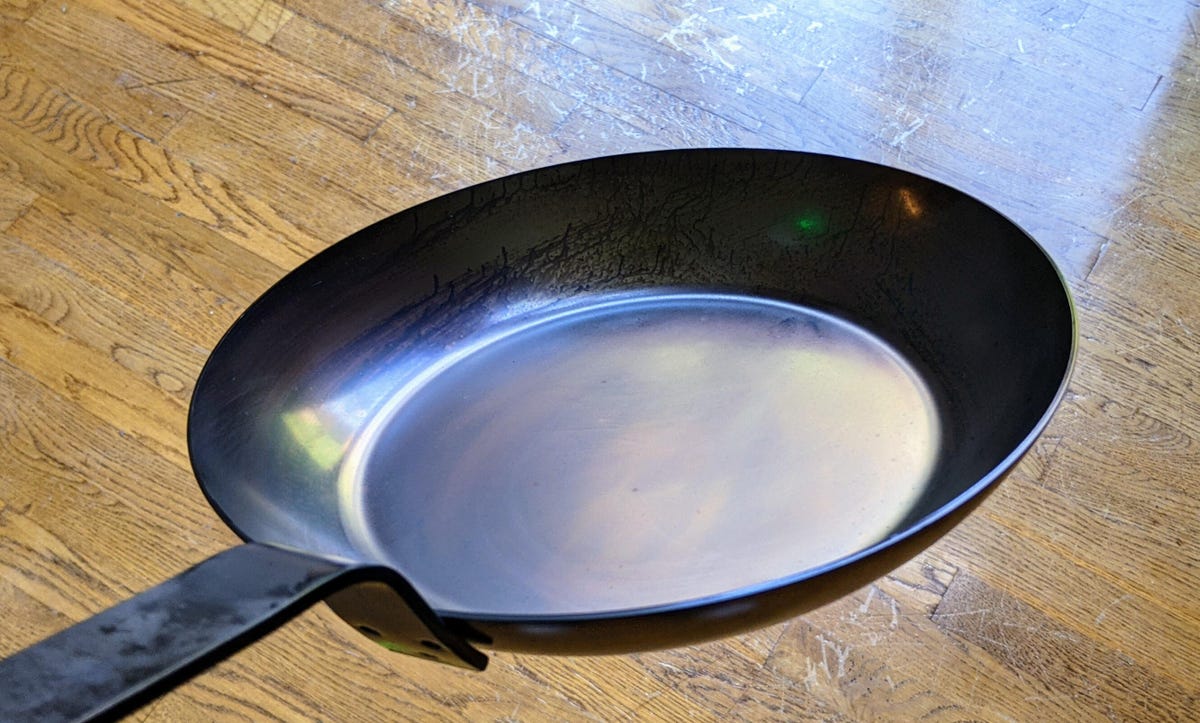
Your cast-iron pans and stainless steel skillets are ready and willing to do the heavy lifting for you. And they don’t ask much to perform to the best of their (and your) ability. Just ensure you’re pre-heating them, using sufficient cooking fat, allowing cooking time for items to properly caramelize before flipping or moving and using the appropriate utensils on their surfaces.
When it comes to cleanup, properly seasoned cast iron needs little more than warm water and coarse salt to become ready to go again, and stainless steel can be sparkling clean with a bit of baking soda and vinegar.
Cooking and reheating in the microwave

The microwave can also be a hackworthy instrument unto itself: Poached eggs and mug cakes come out brilliantly, with much less time (and swearing) than stovetop or oven methods. While the microwave may be a shortcut for reheating, there’s a better way and many other functions.
A stovetop or electric kettle is better at boiling water for coffee or tea. (And I swear the water stays hotter longer … but perhaps an actual test is in order.) There are several ways to defrost proteins from the freezer — ones that don’t result in uneven temperatures or premature cooking of the edges of the chicken parts or ribeyes destined for the grill or skillet.
Even when it comes to reheating, and perhaps especially then, you should seriously rethink the reflex that causes you to put something into the microwave. For one, it’s pretty much unanimous that this is a one-way ticket to ingesting excess microplastics.
What to use instead

You’ll always get a better outcome — and use less energy — with the air fryer, stovetop, oven or even toaster oven. And all of those are less likely to create the kind of explosions that eventually turn your microwave into an incubator of bacteria.
Here’s the best way to reheat every type of leftovers, without a microwave.